


Imagine juggling dozens of apps every day, each one pulling you in a different direction. Tasks get lost in the shuffle, and hours vanish on manual data entry. AI automation tools that integrate with 1000+ apps change that. They link your tools into one smooth flow, saving time and cutting errors.
These platforms go far beyond old-school rules like "if this, then that." They use smart AI to handle complex tasks across your whole setup. In business process management today, 1000+ app integrations mean you can connect everything from email to accounting without custom code. This shift lets small teams act like big enterprises.
The Crucial Role of Massive Integration Ecosystems
You need platforms that hook up with over 1000 apps to grow without headaches. Niche tools might work for one job, but they leave gaps as your needs expand. A big ecosystem keeps everything tied together, no matter how many tools you add.
Relying on small options risks dead ends. When a new app joins your stack, you want instant links. Tools with vast libraries cut setup time and boost output.
Bridging the SaaS Sprawl Gap
SaaS apps multiply fast—think CRM like Salesforce, ERP systems such as SAP, marketing tools like HubSpot, chat apps like Slack, and code platforms like GitHub. AI automation acts as the glue. It moves data between them without you lifting a finger.
This setup ends the chaos of switching tabs. One trigger in your CRM can update inventory in real time.
To start, audit your current apps. List what you use most and spot where data stalls. Pick three key links to test first, like syncing leads from ads to your email list.
Future-Proofing Automation Investments
Platforms with 1000+ integrations last longer. They adapt to new tech like AI chatbots or cloud storage updates. Your money goes further when the tool grows with you.
Old systems fade quick. A broad library means less rework down the line. In 2026, with apps popping up weekly, this matters more than ever.
Think of it like building a house on solid ground. You add rooms without tearing down walls. That flexibility keeps your workflows strong.
Understanding Integration Depth vs. Breadth
Breadth covers many apps—over 1000 connections open doors wide. Depth means real two-way talks, not just one-off pings. Top tools sync data back and forth, keeping everything fresh.
Shallow links just push info one way. Deep ones handle changes on both ends, like updating a contact in two places at once. This cuts mistakes and speeds things up.
You get the full picture. No more chasing old data across apps.
Top Tier AI Automation Platforms with Expansive Connectivity
Several standouts lead in AI automation with huge connector sets. They mix easy builders with smart features. Let's look at three that shine: Zapier for simple setups, Workato for big teams, and Make for custom tweaks.
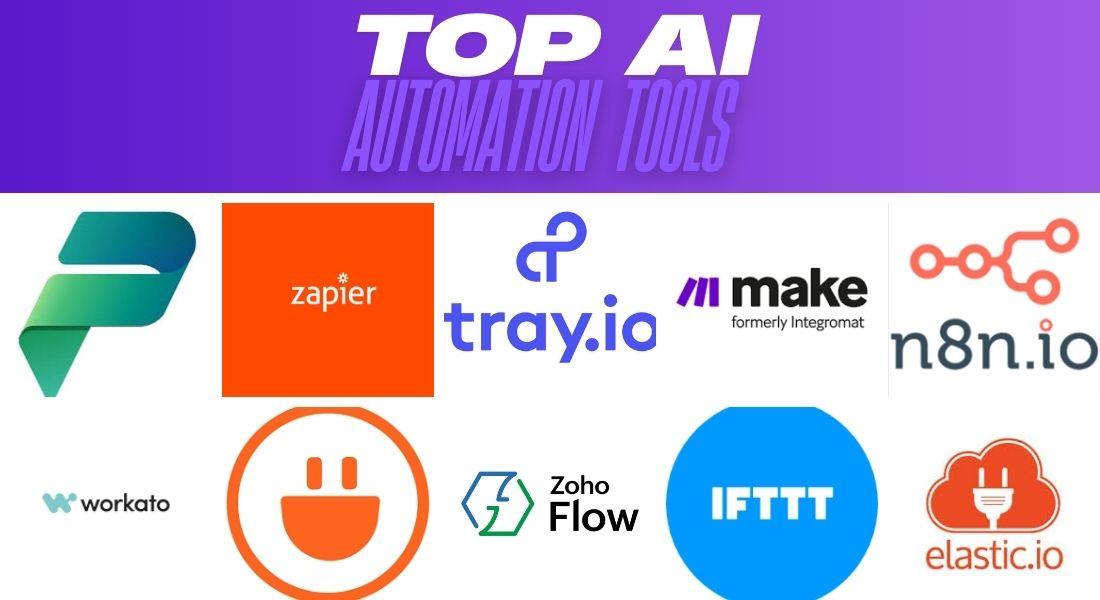
Each handles AI logic like smart branches in flows. Their libraries top 1000 apps, often hitting 5000 or more. This lets you automate across sales, support, and ops.
Platform Profile 1: Focus on Low-Code/No-Code Scalability
Zapier tops the list with over 7000 integrations. Its drag-and-drop builder makes workflows simple. AI suggests templates based on your apps, like auto-sorting emails into tasks.
No coding needed for most jobs. You connect Gmail to Trello in minutes. This scales from solo users to teams of 50.
Stats show it saves users 10 hours a week on average. Perfect for marketers or admins who hate tech hurdles.
Platform Profile 2: Emphasis on Enterprise-Grade Data Handling
Workato suits large outfits with 1200+ connectors. It stresses security with built-in compliance for GDPR and HIPAA. AI transforms messy data, like merging sales reports from multiple sources.
It processes billions of transactions yearly without a hitch. Dashboards track every step, spotting issues fast. For finance or health teams, this means safe, high-volume runs.
Custom rules add smarts, such as flagging odd payments across ERP and banking apps.
Platform Profile 3: Specialty in Developer-Centric Automation
Make offers 1500+ integrations with a nod to coders. It blends visual maps with API tweaks for deeper control. AI helps debug flows, predicting where things might break.
You build custom connectors if needed. This bridges ready-made links and your own code. Developers love its open vibe for complex setups.
In one case, a team linked custom scripts to Shopify and QuickBooks seamlessly. It cuts dev time by half.
Leveraging AI Within 1000+ App Workflows
AI does more than link apps. It adds brains to your automations. Smart logic spots patterns and adjusts on the fly.
This turns basic chains into thinking systems. Data flows smarter, tasks predict needs. You focus on big ideas, not busywork.
Intelligent Data Mapping and Transformation
AI scans app fields and matches them auto. Say "User Name" in HubSpot becomes "Full Name" in Google Sheets. No manual tweaks.
It handles formats too, like dates or currencies. This saves hours on setup. In sales, it merges leads from forms and calls without errors.
Tools like these cut mapping time by 80%, per user reports.
Predictive Triggers and Anomaly Detection
AI watches patterns across apps. It might see rising tickets in Zendesk and low stock in NetSuite. Then it fires off a buy order alert.
This stops problems before they hit. No more surprise shortages. In support, it flags unusual email spikes and routes them early.
One company avoided a 20% sales dip this way. Predictive smarts make workflows proactive.
Natural Language Processing (NLP) for Unstructured Data Automation
NLP reads emails or docs and pulls key info. From a Gmail message, it grabs order details and logs them in Airtable. Or scans a Drive PDF to update CRM notes.
This tackles messy text humans skip. It classifies sentiments too, like spotting angry customer replies.
Integrate with Outlook, and AI sorts attachments into folders or databases. Efficiency jumps as unstructured data turns useful.
Implementation Strategies for Maximum Integration ROI
Adopting these tools pays off with smart steps. Start small to build wins. Avoid overload by planning clear.
You gain ROI fast when automations fit your real pains. Track results to refine.
The Discovery Phase: Mapping Critical Cross-Functional Processes
Map processes that cross teams first. Look for handoffs, like sales to support.
Pick a low-risk spot to test, such as qualifying leads from ads to CRM. This proves value quick without big risks. Involve users early for buy-in.
Build a simple chart of apps and flows. It guides your first builds.
Governing Automated Workflows and Error Handling
Set up dashboards to watch runs across apps. Track success rates and fix drops.
Build backup paths for fails, like notifying you if a sync skips. This keeps things reliable. Regular checks catch issues early.
One tip: Log every error with app details for easy fixes.
Scaling Integrations Incrementally
Roll out in phases. Nail 10 key links, like email to calendar and CRM to reports. Then add more.
This shows quick gains and builds trust. Avoid all-at-once chaos. Measure time saved per flow to justify growth.
By month three, you could cover half your stack.
Future Trends: Where AI Automation and Massive Integration Converge
Big integration platforms will get even smarter soon. They'll personalize flows based on your data. Decentralized options let teams own their automations.
This convergence means less central control, more agility. Apps will talk deeper via AI.
Autonomous Agents Across the Application Landscape
Agents will handle goals, not just tasks. Tell it "Run Campaign Y," and it coordinates across email, social, and analytics apps.
It decides steps using your history. This frees you for strategy. In 2026, expect agents in most platforms.
They self-heal too, rerouting if an app glitches.
API Economy Evolution and Platform Dependency
SaaS makers will build APIs to fit these tools. More open standards mean faster links.
But watch dependency—pick platforms with strong updates. This shapes how vendors compete.
For devs, tools like webhook integration will blend in easier.
Conclusion: The Infrastructure of Modern Efficiency
AI automation tools with 1000+ app integrations build a strong base for growth. They scale with you, link end-to-end processes, and add real smarts to stay ahead. No more silos—just fluid ops that boost output.
Key wins include time savings, fewer errors, and easy adaptation to new tools. This setup covers your full operation, from leads to reports.
Ready to streamline? Audit your apps today and pick a platform that connects them all. Your team will thank you as efficiency soars.